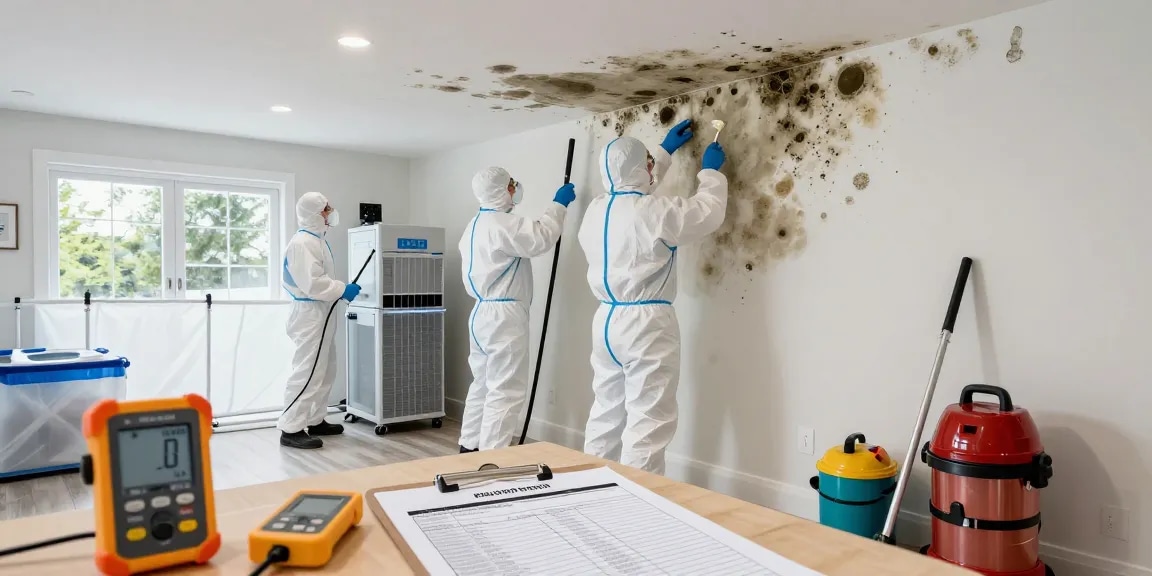
Understanding Mold and Its Impact on Homes in West Vancouver
Mold is a common issue in many homes, particularly in regions like West Vancouver, where the climate is characterized by high humidity and frequent rainfall. Mold can not only damage the structural integrity of your home but also pose serious health risks to its inhabitants. As such, understanding mold, its effects on your living environment, and effective remediation practices is essential for every homeowner. When exploring options, Mold Remediation West Vancouver offers comprehensive insights into tackling this pervasive issue.
What is Mold and Why is It a Problem?
Mold is a type of fungus that thrives in damp environments. It reproduces through spores that are carried by air currents and can settle in moist conditions, leading to growth. Mold can be found indoors and outdoors and can vary in color, texture, and scent. While some mold types are harmless, others can be toxic and lead to serious health issues. The problem arises when mold goes unnoticed, leading to extensive damage over time.
Health Risks Associated with Mold Exposure
Exposure to mold can result in a variety of health problems. Individuals with allergies or asthma may experience worsened symptoms, including respiratory issues, eye irritation, and skin rashes. More severe reactions can occur in those with compromised immune systems. In extreme cases, toxic mold, such as Stachybotrys chartarum (black mold), can lead to neurological problems. Therefore, timely intervention is vital for the health and safety of all occupants.
How Vancouver's Climate Contributes to Mold Growth
West Vancouver's coastal climate presents ideal conditions for mold growth. The combination of high humidity levels, especially during the rainy months, and the prevalence of older buildings with inadequate ventilation can create a perfect breeding ground for mold. Homeowners should remain vigilant, particularly in areas prone to moisture, such as bathrooms, kitchens, and basements.
Identifying Common Signs of Mold in Your Home
Visible Mold: Where to Look
Visible mold can often be identified by discolored patches on walls, ceilings, and floors. Common colors include green, black, or white fuzzy spots. Regularly inspecting these areas, especially after heavy rainfall or plumbing issues, can help you catch mold early and mitigate damage.
Unseen Areas: Understanding Hidden Mold Risks
Mold can grow in hidden areas such as behind walls, inside HVAC ducts, or under carpeting. Homeowners should be aware that just because mold is not visible does not mean it isn’t present. Conducting thorough inspections, especially in high-moisture areas, is crucial for effective mold management.
Signs Beyond Sight: Musty Odors and Health Symptoms
A musty smell often accompanies mold infestations, indicating the presence of mold even when it isn't visible. If residents experience unexplained health issues such as sneezing, coughing, or itchy eyes, it can be a sign that mold is affecting indoor air quality. Act promptly to investigate and address the source of these issues.
The Mold Remediation Process Explained
Initial Assessment and Moisture Mapping
The first step in the mold remediation process typically involves a thorough inspection of the property, including moisture mapping using specialized tools. This helps identify the locations of mold growth and the sources of moisture that contributed to its proliferation. Addressing these sources is critical for long-term success in mold remediation.
Containment and Air Quality Control Methods
Mold remediation begins with containment to prevent spores from spreading during the cleanup process. This may include sealing off affected areas and using negative air pressure systems. Proper air quality control methods, including the use of HEPA filters, are also implemented to minimize airborne spores.
Effective Removal Techniques and Treatment Options
After containment measures are established, the next step involves the removal of mold-infested materials where necessary. This might include drywall, carpet, or insulation. Antimicrobial treatments are then applied to remaining surfaces to kill any lingering spores and prevent future growth. It’s essential to follow up with moisture control to ensure the environment remains inhospitable to mold.
Choosing a Professional Mold Remediation Service
What to Look for in a Certified Service Provider
When searching for a mold remediation service, it's essential to choose a provider that is certified and experienced in handling mold issues. Look for certifications from recognized organizations like IICRC (Institute of Inspection, Cleaning and Restoration Certification) and VRCA (Vancouver Regional Construction Association). The right provider will have the tools and knowledge to manage the remediation process effectively.
Questions to Ask Before Hiring
Prior to hiring a remediation service, consider asking the following questions:
- What experience do you have with mold remediation in West Vancouver?
- Can you provide references from previous clients?
- What is your process for mold detection and removal?
- Are your technicians certified and insured?
- How do you ensure compliance with health and safety regulations?
Understanding Service Costs and Insurance Options
The cost of mold remediation in West Vancouver can vary widely based on the extent of the infestation, the size of the affected area, and the materials involved. It is advisable to obtain multiple quotes and ensure that the services offered align with your needs. Additionally, check with your insurance provider to see what aspects of mold remediation may be covered under your policy.
Preventing Mold Growth: Best Practices for Homeowners
Maintaining Proper Home Ventilation
Proper ventilation is crucial in preventing mold growth. Homeowners should ensure that areas prone to moisture, such as basements and bathrooms, are well-ventilated. Installing exhaust fans and opening windows when weather permits can help circulate air and reduce humidity levels.
Regular Inspections and Maintenance Tips
Conduct regular inspections of your home to catch potential mold issues early. This should include checking for leaks, inspecting damp areas, and monitoring humidity levels with a hygrometer. Regular maintenance of roofs, gutters, and drainage systems can also prevent water infiltration, reducing the risk of mold growth.
Using Antimicrobial Treatments and Fogging Techniques
Consider using antimicrobial treatments as a preventive measure in areas prone to mold, especially after a water incident. Fogging techniques can also be employed to disinfect and sanitize air and surfaces, killing mold spores and improving indoor air quality. However, fogging should complement comprehensive remediation efforts rather than serve as a standalone solution.
What is Mold Fogging and How Does It Work?
Mold fogging is a process where a specialized mist containing antimicrobial agents is dispersed throughout a contaminated area. This method allows for the treatment of hard-to-reach surfaces and can help eliminate mold spores that are airborne. It is effective as part of a broader mold remediation strategy.
FAQs About Mold Remediation in West Vancouver
How much does mold remediation cost?
The cost of mold remediation can vary significantly depending on the extent of the contamination and the specific methods required. It is best to consult with local professionals to get an accurate estimate based on your circumstances.
Can I stay in my home during remediation?
Staying in your home during mold remediation depends on the severity of the infestation. In many cases, it is recommended to vacate the premises, especially if the mold is extensive or toxic. Your remediation team will provide guidance based on your specific situation.
How can I prevent mold from returning?
Preventing mold from returning involves addressing moisture control and maintaining proper ventilation. Regular inspections, timely repairs of leaks, and using antifungal treatments can all contribute to a mold-free environment.