Understanding Steel Roofing: What Homeowners Need to Know
When it comes to enhancing the durability and aesthetic appeal of your home, steel roofing has emerged as a top contender in the modern roofing market. With its robust nature and sleek appearance, this material has become increasingly popular among homeowners looking for long-term value. If you're considering an upgrade or a new installation, understanding what steel roofing entails is essential. Homeowners should be well-informed about their options, the benefits of steel roofing, and the role of steel roofing contractors in ensuring a successful project.
What is Steel Roofing?
Steel roofing is a type of roofing system made from various steel materials, typically galvanized or coated with zinc, which enhances its resistance to rust and corrosion. This roofing option can come in panels, sheets, or even shingles, allowing for a diverse range of aesthetics and architectural styles. Homeowners are often drawn to steel roofing not only for its longevity but also for its eco-friendly qualities, as many steel roofs are made from recycled materials and can be recycled again at the end of their life span.
Benefits of Choosing Steel Roofing
Choosing steel roofing confers numerous advantages that cater to both the practical and aesthetic needs of a homeowner:
- Durability: Steel roofs can last more than 50 years, often outlasting traditional roofing materials such as asphalt shingles.
- Energy Efficiency: Steel roofs can reflect solar radiant heat, leading to lower energy costs in warm climates.
- Low Maintenance: Unlike other roofing options, steel requires minimal maintenance, making it an economical choice over time.
- Eco-Friendly: Many steel roofs contain recycled content, and at the end of their life, they are 100% recyclable.
- Fire Resistance: Steel is non-combustible, providing added safety for homeowners.
Common Misconceptions About Steel Roofing
Despite its growing popularity, there are several misconceptions surrounding steel roofing:
- Noise: Many believe steel roofs are noisy during rain or hail. However, with proper installation and insulation, they can be just as quiet as other roofing types.
- Rusting: Steel roofing is often seen as prone to rust; however, modern finishes and coatings significantly reduce this risk.
- High Cost: While the upfront investment can be higher than asphalt shingles, the long-term savings make steel roofing a cost-effective choice.
Finding Reliable Steel Roofing Contractors
To maximize the benefits of steel roofing, working with qualified contractors is paramount. The right steel roofing contractors will ensure that your installation is not only aesthetically pleasing but also compliant with safety standards.
Key Qualities of Professional Contractors
When searching for roofing contractors, look for these essential qualities:
- Experience: Contractors with a proven track record in steel roofing installations will typically understand the nuances of the material and the installation process.
- Licensing and Insurance: Ensure that the contractor is properly licensed and insured to protect yourself from liability.
- References: A reputable contractor should provide references or testimonials from past clients.
- Warranty Offerings: A solid warranty indicates confidence in workmanship and materials used.
How to Vet and Interview Roofing Contractors
Identifying the right contractor involves thorough vetting and interviewing. Here are steps you can take:
- Research: Utilize online platforms to read reviews and ratings of potential contractors.
- Interview: Prepare a list of questions regarding their experience, materials used, and approach to roofing projects.
- Quotes: Obtain estimates from multiple contractors to compare pricing and scope of work.
- Site Visit: If possible, visit current job sites to evaluate the contractor's work quality.
Red Flags to Watch For in Roofing Services
While searching for contractors, be vigilant for common red flags that may indicate potential issues:
- No Written Contract: Always insist on a detailed contract that specifies the scope of work, materials, and costs.
- High Pressure Sales Tactics: Be cautious if a contractor rushes you into signing a contract without giving you adequate time to consider options.
- Unverifiable Credentials: Avoid contractors who cannot provide proper licensing or insurance.
The Steel Roofing Installation Process
The installation of a steel roof is a technical process that requires expertise. Understanding each step can help homeowners feel more confident in their investment.
Preparation Steps Before Installation
Before the installation begins, there are several preparatory steps that should be taken:
- Inspection: A thorough inspection of the existing roof structure must be conducted to assess the need for any repairs.
- Scheduling: Choose a time when the weather is predictable to avoid complications during installation.
- Material Selection: Work with your contractor to select appropriate materials, colors, and styles that complement your home.
Step-by-Step Guide to the Installation Process
Understanding the installation process can help demystify what to expect:
- Removal of Old Roofing: The existing roof is removed to expose the underlying structure.
- Deck Preparation: The roof deck is inspected and repaired as necessary to ensure a solid foundation for the new roof.
- Underlayment Installation: A waterproof underlayment is laid down to provide an additional barrier against moisture.
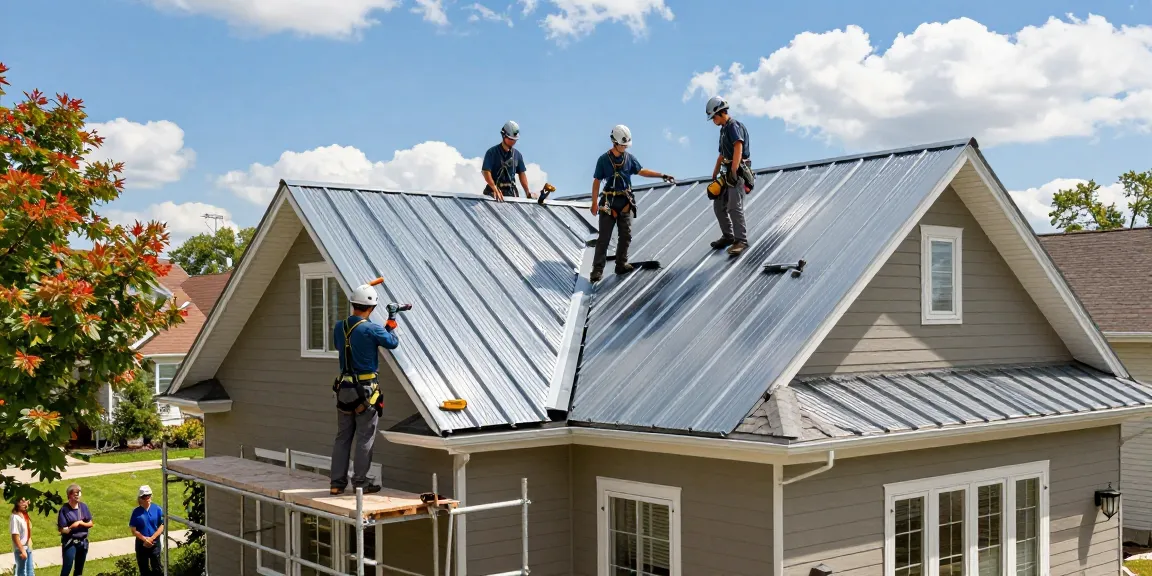
- Panel Installation: Steel panels are installed, interlocking to provide a watertight seal.
- Finishing Touches: Flashings and trims are added to complete the installation and improve aesthetics.
Post-Installation Checklist for Homeowners
After the installation, homeowners should verify several aspects to ensure everything is in order:
- Visual Inspection: Check the roof for any visible imperfections or gaps.
- Confirm Warranties: Ensure that all warranties for materials and workmanship are documented.
- Documentation: Keep all receipts and documents related to the installation for future reference.
Maintaining Your Steel Roof for Longevity
To ensure your steel roof remains in peak condition, regular maintenance is essential. Here are some tips to extend its lifespan:
Routine Maintenance Tips for Steel Roofing
Regular maintenance can prevent minor issues from escalating:
- Clean Gutters: Ensure gutters are free from debris to prevent water pooling.
- Inspect Annually: Conduct an annual inspection for signs of wear, rust, or loose panels.
- Clear Snow and Ice: In winter, safely remove snow and ice to prevent structural damage.
Signs of Wear and When to Call Contractors
Being proactive can save homeowners money and stress. Here are signs that indicate it's time to call a contractor:
- Rust Spots: If you notice rust forming, it may indicate a need for treatment or repair.
- Loose Panels: Displaced or loose panels may compromise the roof’s integrity and should be addressed immediately.
- Leaks: Any signs of leaks inside the home warrant an urgent inspection.
Seasonal Care Tips for Steel Roofs
Each season brings unique challenges for roof maintenance:
- Spring: Remove debris from roof and gutters and inspect for winter damage.
- Summer: Check for UV damage and ensure your roof’s sealants are intact.
- Fall: Prepare for winter by cleaning gutters and checking for loose panels.
- Winter: Monitor for ice dam formation and clear snow accumulation promptly.
Future Trends in Steel Roofing: What to Expect in 2026
As the roofing industry evolves, several trends are emerging that may influence future choices for homeowners:
Innovations in Steel Roofing Materials
With advancements in technology, steel roofing materials are becoming increasingly innovative, offering enhanced durability and expanded design options. Expect lighter, more efficient materials that retain the strength and longevity of traditional steel.
Eco-Friendly Trends and Sustainability in Roofing
As environmental concerns grow, the demand for sustainable roofing solutions is likely to increase. Steel roofing manufacturers are focusing on creating products with lower environmental impact, emphasizing recyclability and sustainable sourcing.
Predicted Changes in Roofing Regulations and Standards
As the industry advances, expect new regulations to emerge that promote safety, energy efficiency, and sustainability. Homeowners should stay informed about these changes to ensure compliance and benefit from potential incentives.
What Are the Most Common Issues Homeowners Face?
Common issues faced by homeowners with steel roofs often stem from improper installation or lack of maintenance. By choosing experienced contractors and adhering to maintenance schedules, many issues can be mitigated effectively.
How to Choose the Right Type of Steel Roofing?
Choosing the right type of steel roofing involves considering factors such as climate, aesthetics, and budget. Consulting with a knowledgeable contractor can assist in making the best choice for your home.
Durability: How Long Can You Expect Your Steel Roof to Last?
With proper installation and maintenance, steel roofs can last up to 70 years or more, making them a wise long-term investment for homeowners.
What Factors Affect the Cost of Steel Roofing?
Various factors affect the cost of steel roofing, including:
- Material Type
- Overall Roof Size
- Geographical Location
- Labor Costs
How to Finance Your Steel Roofing Project?
Financing options for steel roofing projects can include home improvement loans, credit cards, or specialized financing through contractors. It’s essential to evaluate costs and interest rates to find the best solution for your budget.